Catastrophe Risk: What 2025 Hurricanes Taught Us About Property Coverage
Using Recent Events to Understand Capacity Constraints and Smarter Property Placement
The 2025 hurricane season served as a defining moment for the property insurance market. While storms themselves were not unexpected, the scale of losses, the speed at which capacity tightened, and the ripple effects across renewals caught many insureds—and agents—off guard.
What became clear is that catastrophe risk is no longer an abstract underwriting concept. It is actively reshaping how property coverage is priced, structured, and made available, particularly in coastal and wind-exposed regions. For retail agents and brokers, the lessons from 2025 are essential to navigating today’s property market.
A Season That Tested the Market
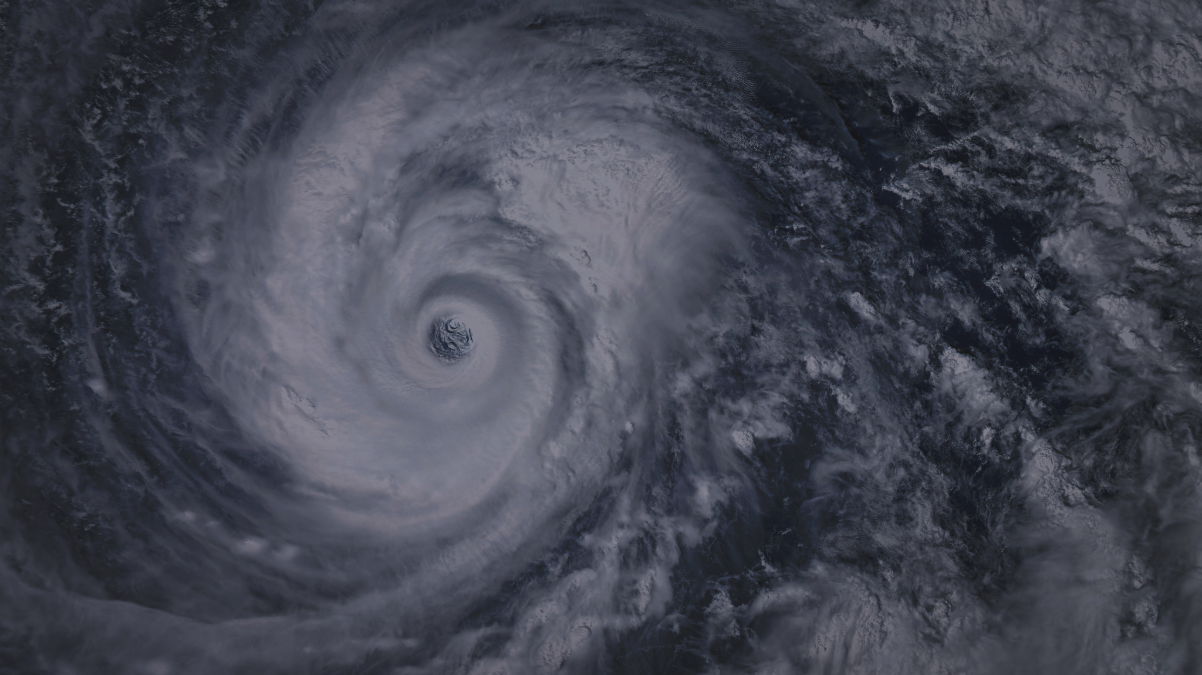
The 2025 hurricanes highlighted how vulnerable even well-managed properties can be when storms combine wind, storm surge, flooding, and prolonged recovery timelines. Losses extended far beyond initial wind damage. Infrastructure failures, access issues, power outages, and extended business interruption all contributed to claims that exceeded modeled expectations.
Many properties that escaped catastrophic structural damage still suffered meaningful financial loss. As claims developed, it became evident that the true cost of catastrophe is not confined to landfall—it unfolds over months and, in some cases, years.
This level of severity placed immediate pressure on carriers and reinsurers alike.
Why Property Capacity Tightened After 2025
One of the most noticeable outcomes following the 2025 hurricane season was a sharp reduction in available property capacity. This was not a short-term market reaction, but rather the continuation of a trend driven by cumulative catastrophe losses over several years.
Reinsurers responded by increasing pricing, raising attachment points, and limiting aggregate exposure in high-risk zones. Those decisions flowed directly to primary carriers, many of whom were forced to reduce line sizes, restrict geographic appetites, or exit certain segments altogether.
For agents, this translated into more difficult renewals. Accounts that once renewed with minimal friction suddenly required multiple carriers, higher deductibles, or material restructuring. Even well-performing risks felt the impact simply because of where they were located.
How Insureds Felt the Impact
From the insured’s perspective, the post-2025 market felt unpredictable. Long-standing carrier relationships did not guarantee stable renewals. Properties with clean loss histories still encountered premium increases, reduced limits, or new exclusions tied to named storms or flood-related losses.
Wind deductibles rose, sometimes significantly. Named storm deductibles became more common and more restrictive. In some cases, insured values outpaced the amount of capacity carriers were willing to deploy, leaving insureds underinsured unless layered or alternative solutions were introduced.
For many organizations, the disconnect between rebuilding costs and available limits became one of the most challenging realities to navigate.
The Role of Catastrophe Modeling After 2025
The 2025 hurricane season also reinforced the influence of catastrophe modeling in property underwriting. Carriers leaned heavily on updated models to reassess exposure, sometimes producing results that conflicted with historical experience.
This created difficult conversations for agents. A property that had “never had a claim” could still be viewed as high risk based on projected storm severity, surrounding infrastructure, or proximity to water. Modeling focuses on potential future loss, not past performance.
Accounts with incomplete data or outdated valuations were disproportionately affected. In contrast, insureds who provided detailed construction information, updated replacement cost valuations, and mitigation documentation were often better positioned to secure capacity.
Risk Differentiation Matters More Than Ever
One of the clearest takeaways from 2025 was that carriers are no longer viewing catastrophe-exposed properties as interchangeable. Even within the same geographic area, underwriting outcomes varied significantly based on how well risks could differentiate themselves.
Properties that invested in wind-resistant construction, roof upgrades, flood mitigation, and documented maintenance programs were more likely to retain favorable terms. Those that could clearly demonstrate resilience were often rewarded with better capacity deployment or more flexible structures.
This shift has elevated the role of the agent from renewal processor to risk advisor.
Layered Property Programs Are Now the Norm
As capacity tightened, layered property programs became increasingly common following the 2025 storms. Rather than relying on a single carrier, insureds now frequently combine multiple insurers to reach total insured value requirements.
While layering solves capacity challenges, it introduces complexity. Differences in deductibles, exclusions, and claims handling must be carefully coordinated to avoid coverage gaps. Successful program design now requires deeper market knowledge and more proactive planning.
For insureds, this complexity can be frustrating. For agents, it represents an opportunity to add measurable value through expertise and structure.
What Agents Should Be Doing Differently
The lessons from 2025 are clear: earlier preparation and deeper engagement are no longer optional. For catastrophe-exposed accounts, effective placement now starts months before renewal.
Agents must gather detailed exposure data, set realistic expectations, and explain that capacity constraints are driven by global market forces—not individual account performance alone. Clients also need guidance on alternative structures, higher retentions, or supplemental coverage solutions when traditional limits fall short.
Education has become just as important as placement.
How OIA Insurance Solutions Supports Property Placements
At OIA Insurance Solutions, we partner with retail agents to navigate the evolving property market shaped by catastrophe risk. Our team works closely with agents to structure layered programs, position risks effectively, and access capacity in a constrained environment.
By focusing on data quality, underwriting presentation, and strategic market engagement, we help agents improve outcomes for catastrophe-exposed properties. Just as importantly, we help agents communicate market realities clearly so insureds can make informed decisions.
Final Thoughts
The 2025 hurricane season did more than generate claims—it changed how property insurance works. Capacity constraints, pricing volatility, and underwriting scrutiny are no longer temporary conditions. They are structural realities driven by increasing catastrophe severity.
For agents and brokers, success in this environment depends on preparation, transparency, and partnership. By using the lessons of 2025 to educate clients and structure smarter programs, you reinforce your role as a trusted advisor in an increasingly complex market.
Property coverage may be harder to place—but with the right strategy and the right partners, it can still be done effectively.
If you’re navigating catastrophe-driven property challenges or need placement support, OIA Insurance Solutions is here to help.
Your Next Coverage Solution Starts Here

.png)